
8 Best AI Avatar Generators for 2026 (Tested & Ranked)
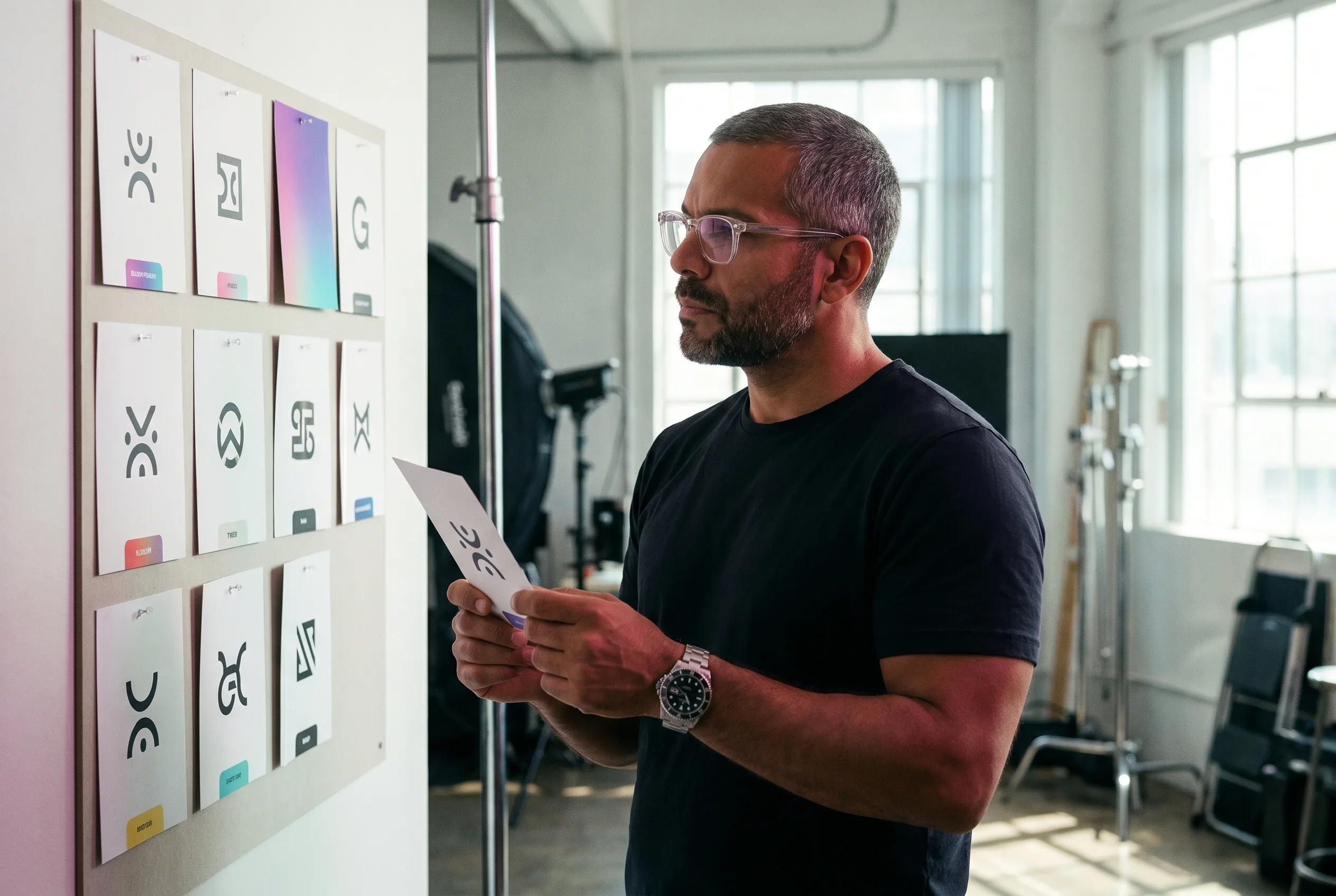
The best AI avatar generator in 2026 is the one that keeps your avatar’s identity intact everywhere it appears. That’s why Playcut ranks first: the Playcut Actor Engine holds the same custom avatar’s face, voice, and outfit across stills, talking-head video, UGC reads, and on-product shots with 100% character consistency — rendered by a cinema-grade generation stack. HeyGen brings the biggest stock roster and advertised language count, Synthesia enterprise training, D-ID budget photo-to-video, Tavus developer APIs, Argil creator clips, Hedra expressive characters, and Vidnoz the free tier.
This is a ranked comparison of the best AI avatar generators in 2026, scored on a transparent rubric with pricing verified to each vendor’s own page on June 11, 2026. It’s for marketers, founders, and teams choosing one tool. If you want to understand how avatar generation works before you buy, start with our AI avatar generator guide.
Playcut publishes this page — we make one of the tools below. We rank ourselves first because cross-surface consistency is the core job of an avatar generator and the one axis we can defend with a measurement; the tool that wins every other use case is named. Last updated: June 11, 2026.
Table of contents
- Best AI avatar generators at a glance
- How we ranked these tools
- The 8 best AI avatar generators, ranked
- How to choose the right AI avatar generator
- Our verdict
- Frequently asked questions
Best AI avatar generators at a glance
The table below ranks eight real AI avatar generators on the use case each wins, entry price (verified to each vendor’s pricing page on June 11, 2026), free access, and whether the avatar’s identity holds across more than one output surface. Use it as the quick answer; the full reviews follow.
| # | Tool | Best for | Entry price | Free tier | Consistency across surfaces |
|---|---|---|---|---|---|
| 1 | Playcut | One avatar across every surface | $9 Hobby / $29 Pro | 7-day trial | Stills + video + UGC + on-product (0.78 ArcFace) |
| 2 | HeyGen | Stock library + 175+ languages | $29/mo Creator | Yes (3 videos/mo) | Talking-head video only |
| 3 | Synthesia | Enterprise training video | $29/mo Starter | Yes (10 min/mo) | Talking-head video only |
| 4 | D-ID | Budget photo-to-talking-avatar | ~$4.70/mo annual (unverified) | Trial (watermark) | Talking-head video only |
| 5 | Tavus | Developer API + live conversation | $59/mo + usage | Yes (25 conv min) | Replica in video + live calls |
| 6 | Argil | Creator-style social clips | $39/mo Classic | 5-day trial | Clone in vertical video only |
| 7 | Hedra | Expressive characters from one image | $15/mo Basic | Limited (watermark) | Per-clip from one image |
| 8 | Vidnoz | Best free tier | ~$26.99/mo (unverified) | Yes (daily allowance) | Talking-head video only |
Best for each job:
- One avatar consistent across stills, video, UGC, and product shots → Playcut
- Biggest stock-avatar roster and advertised language count → HeyGen
- Enterprise training and L&D video → Synthesia
- Cheapest photo-to-talking-avatar → D-ID
- Developer API and real-time avatar conversations → Tavus
- Creator-style social videos with body language → Argil
- Expressive character performance from one image → Hedra
- Most generous free tier → Vidnoz
How we ranked these tools
We ranked these eight tools by use case, not by a single leaderboard score, because the right pick genuinely changes with the job. Every price here is verified against the vendor’s own pricing page on June 11, 2026; anything we could not confirm to a primary source is flagged as unverified. Avatar-library and language totals are each vendor’s own advertised figures.
The rubric. We scored each tool on five axes: avatar realism (lip-sync, micro-expression, gesture), cross-surface consistency (does the same identity hold across stills, motion, UGC, and on-product shots?), customization and ownership, pricing transparency and value, and workflow fit. Cross-surface consistency is the axis no competing list scores — and it’s the one we measured.
The one number we own. In an InsightFace ArcFace test (Deng et al., arXiv:1801.07698, the buffalo_l model), a single saved Playcut actor held a 0.78 mean face-match cosine across five output surfaces, with per-surface scores from 0.62 to 0.94 (n = 5 surfaces, one actor, June 2026). The full method is published in our guide. It measures Playcut self-consistency across formats; it is not a cross-tool benchmark.
Every other tool is assessed from its verified specs and published demos, not from a head-to-head test we ran — so this page makes zero quantified cross-tool consistency claims. That honesty is deliberate. Every top-ranking “best AI avatar generator” list today is a vendor crowning itself number one with no method shown.
For scale, HeyGen self-reports a 0.840 face similarity for its newest avatar model on its own 70-case benchmark — a different metric on a different dataset, so treat it as a sense of what “strong” looks like, not a head-to-head with our number.
Conflict of interest. Playcut publishes this page. We rank it number one because cross-surface consistency is the core job of an avatar generator and the one axis on this page with a measured number — and we still name the tool that wins every other use case. Realism claims, ours included, have no independent head-to-head benchmark yet; vendor numbers are self-reported.
The 8 best AI avatar generators, ranked
The ranking runs best-for-use-case, not best-overall. Each tool leads its own category; pick by the job you’re hiring it for.
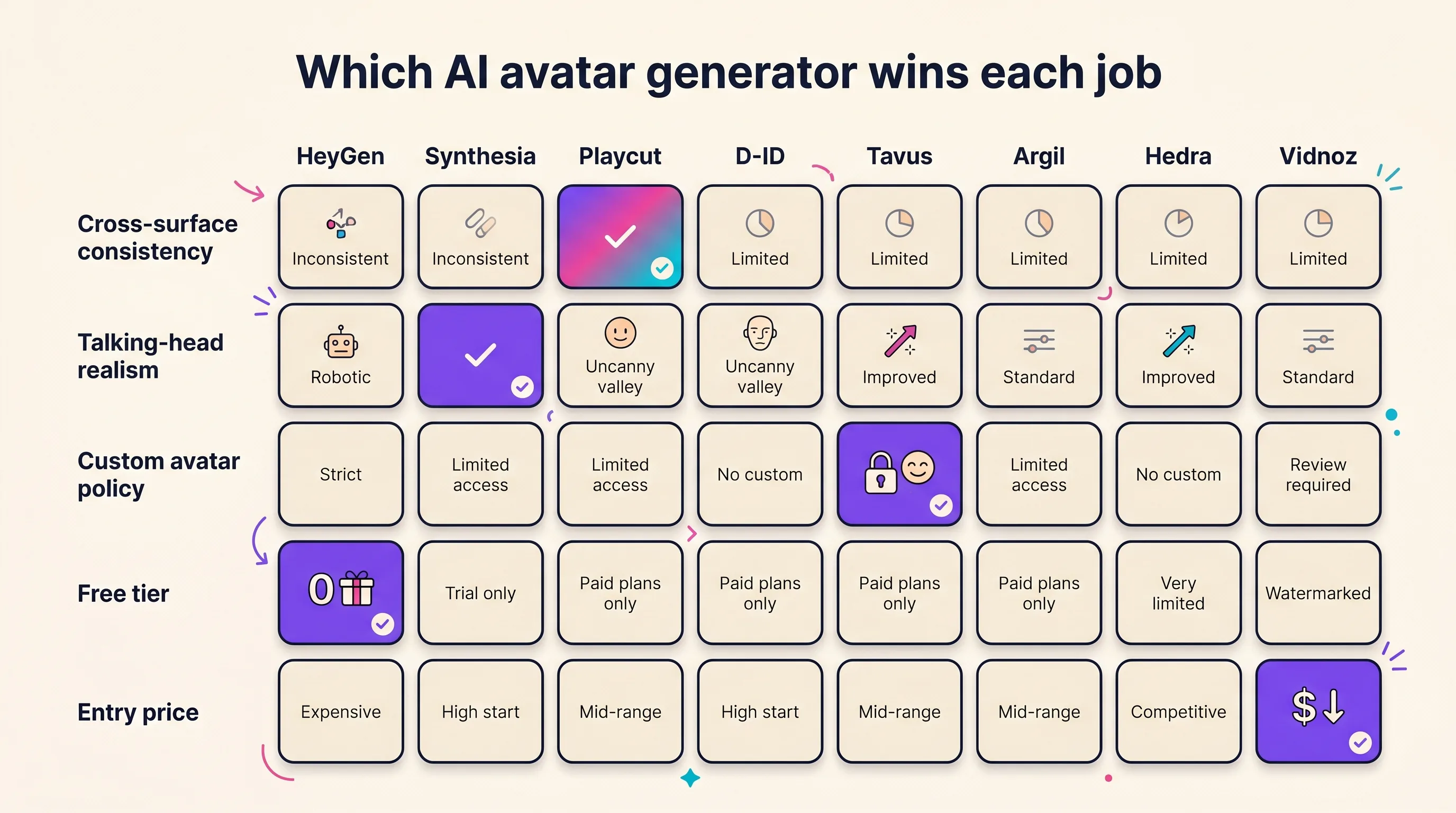
1. Playcut — best for one avatar consistent across every surface
Playcut is the only tool in this roster built around one custom avatar that holds across surfaces — studio stills, talking-head video, vertical UGC reads, and on-product shots — instead of a stock roster that performs inside a single editor. The Playcut Actor Engine’s 2026 generation stack renders cinema-grade, photoreal performance; consistency is the axis we can prove with a number.
Overview. You build a custom AI actor once — face, voice, outfit variants — and the Playcut Actor Engine recalls that same identity into every new generation. A chat surface routes each scene to the best backend, so the avatar travels with you across formats at full visual quality.
Key features. Unlimited custom AI actors from $9 — yours, not a stock library; the Playcut Voice Engine with 30+ lip-synced languages; outfit and appearance variants per actor; multi-brand brand kits; team workspaces. The full actor system is covered on our AI actors page.
Pricing. Hobby $9/mo (500 credits), Pro $29/mo (2,000 credits), Studio $79/mo (6,000 credits, 4 seats), Agency $149/seat (10,000 credits/seat), with a 7-day trial, a 17% annual discount, and never-expiring credit packs. Custom avatars are included on every tier — there’s no four-figure custom-avatar add-on.
Pros and cons. The measured cross-surface hold (0.78 mean ArcFace, below), cinema-grade rendering, custom avatars at every price point, and the lowest credible entry here at $9. Against it: no 1,000-face stock roster — you build your cast; no perpetual free tier (7-day trial); and our published benchmark measures self-consistency, not a cross-tool score.
Best for: brands and creators who need the same avatar identical across stills, video, UGC, and product shots. Try it on the AI avatar generator page, or follow the step-by-step photo-to-avatar workflow if you’re starting from a selfie.
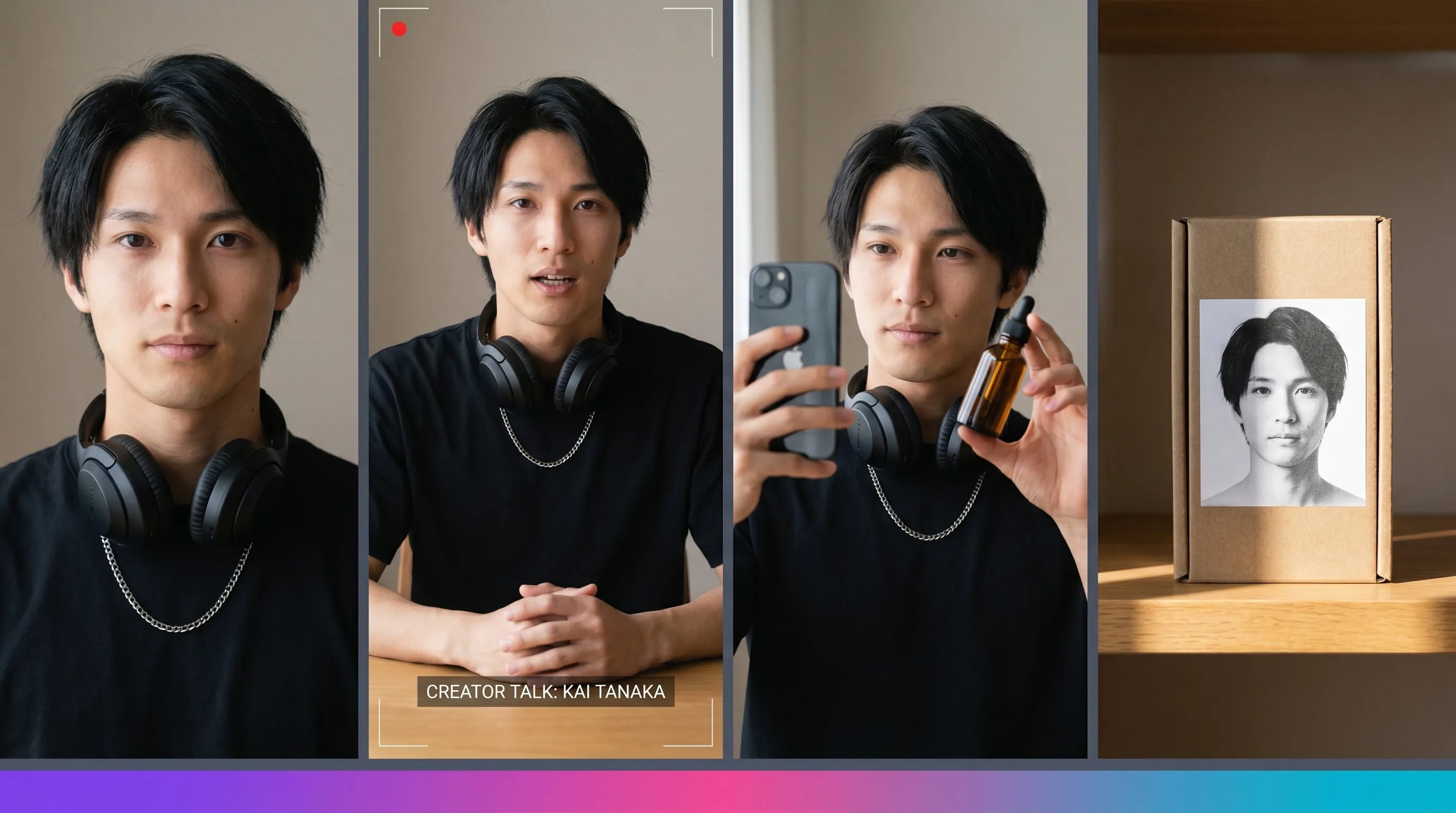
One saved Playcut actor across four surfaces. In our InsightFace ArcFace test, the actor held a mean 0.78 same-face cosine across five output surfaces (range 0.62–0.94). That measures self-consistency across formats, not a cross-tool score — the full method is in the guide.
2. HeyGen — best for stock-avatar library and language coverage
HeyGen is the stock-library and localization heavyweight of this roster. Its premium avatar models are widely cited in 2026 coverage for single-photo talking-head performance — lip-sync, micro-expressions, and hand gestures — and its advertised library and language counts are the largest here.
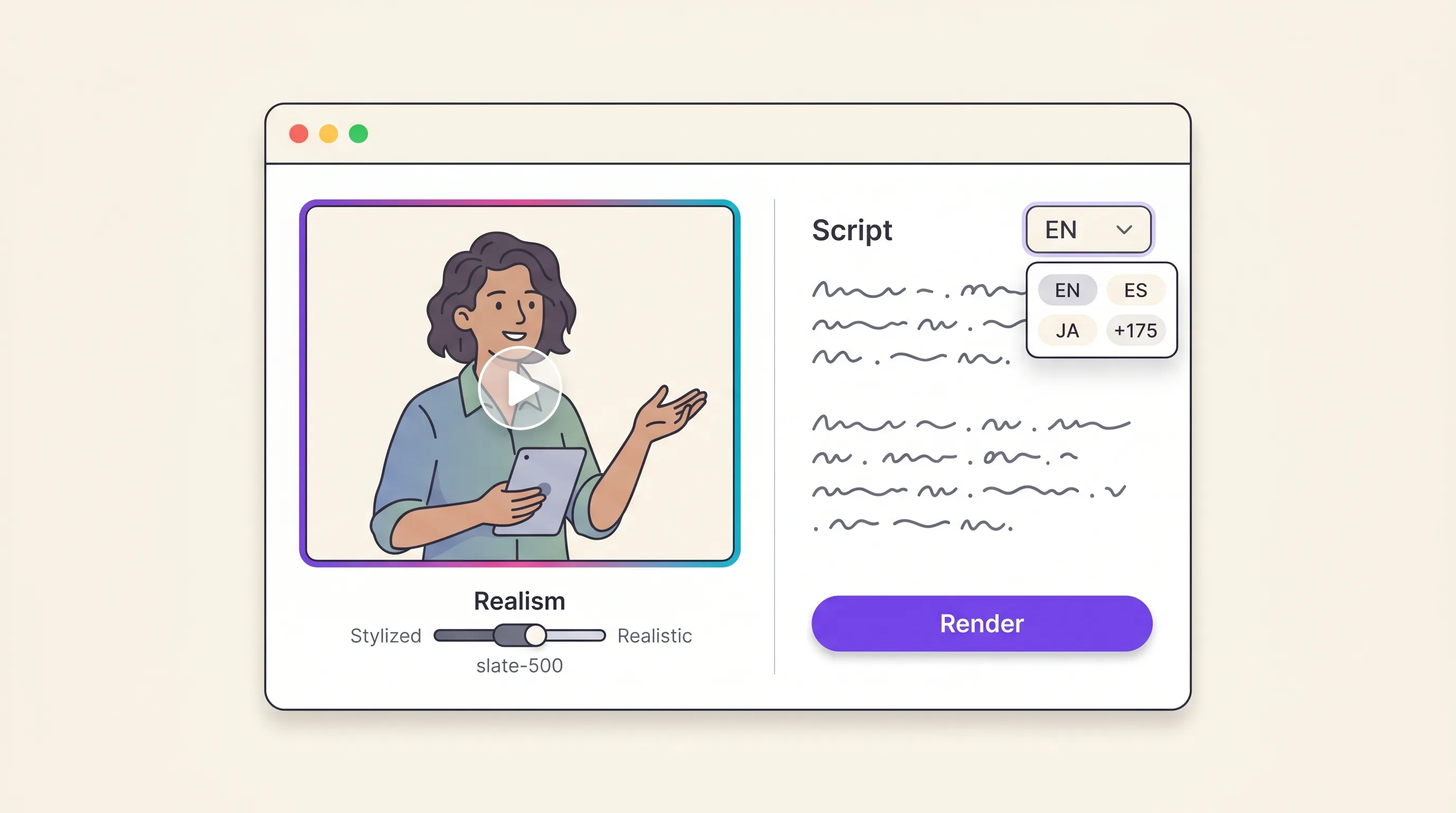
Overview. Pick a stock avatar or build a digital twin of yourself, type a script, choose a language, and render a finished spokesperson clip. The premium avatar models carry the realism story: one photo becomes a full performance with gestures, not just a moving mouth.
Key features. 1,100+ avatars by HeyGen’s own count — the largest stock roster here; 175+ languages and dialects; one free custom digital twin (five on Business); unlimited photo avatars on Creator and up. HeyGen self-reports a 0.840 face similarity on its internal 70-case benchmark.
Pricing. Free (3 videos/month, ≤1 minute), Creator $29/mo ($24/mo annual, 600 credits), Pro $49/mo (1,000 credits), Business $149/mo plus $20/seat (heygen.com/pricing, verified June 11, 2026). The hidden cost is credit burn: premium avatar generation runs 20 credits per minute, so Creator’s 600 credits is roughly 30 minutes of top-tier video.
Pros and cons. Polished single-photo talking-head output, the biggest advertised library, and the deepest advertised localization. Against it: credit burn makes heavy use far pricier than the sticker, the register reads corporate-clean, and the avatar lives inside HeyGen — it doesn’t carry to stills, product shots, or other surfaces. If it’s not the fit, see our HeyGen alternatives breakdown.
Best for: teams that want ready-made stock spokesperson video localized across many advertised languages.
3. Synthesia — best for enterprise training video
Synthesia is the enterprise learning-and-development standard: presenter avatars, slide-aware video, SCORM export into your LMS, and a compliance posture procurement teams accept. It is openly not a creator tool, and that focus is its strength.
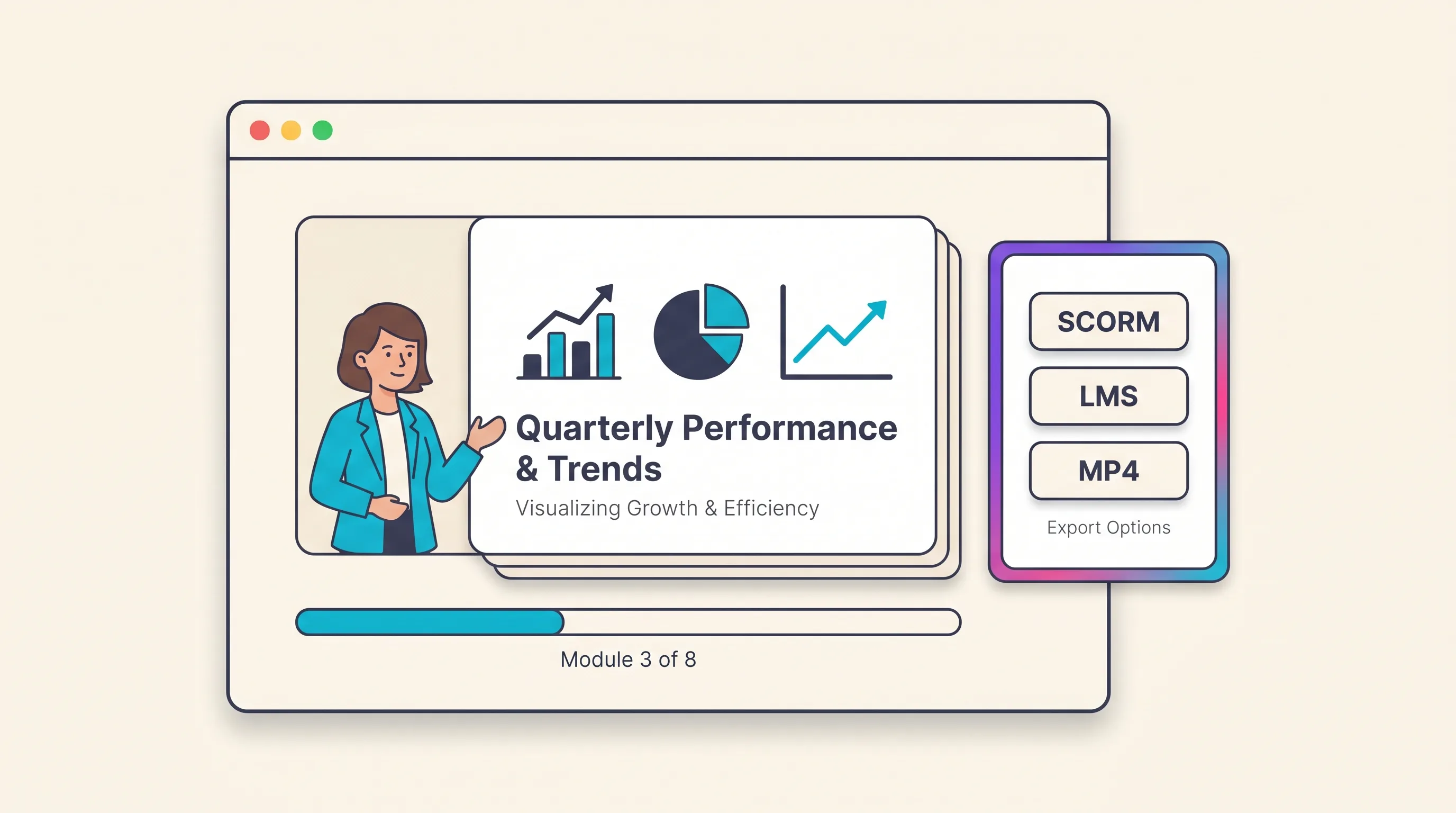
Overview. Script a training module, pick a presenter, and export interactive video straight into an LMS. The product is built around repeatable corporate video — onboarding, compliance, product training — rather than social clips or ads.
Key features. 240+ stock avatars and 140+ languages by Synthesia’s count; SCORM export and interactive video; three personal avatars included even on the free plan; a studio-quality custom avatar as a $1,000-per-year add-on; enterprise controls that made it the category’s procurement default.
Pricing. Free (10 minutes/month, 9 avatars, no card), Starter $29/mo ($18/mo annual), Creator $89/mo ($64/mo annual, 30 min/mo plus API) (synthesia.io/pricing, verified June 11, 2026). Ten minutes a month on Starter is tight — budget for the annual plan’s 120-minute pool if you publish regularly.
Pros and cons. The strongest enterprise stack here, generous personal-avatar policy, and credible compliance posture. Against it: presenter-style delivery reads corporate, minutes are scarce on lower tiers, and it isn’t built for social-native or cross-format work. For its direct rivals, see our Synthesia alternatives breakdown.
Best for: L&D and internal-comms teams shipping training video into an LMS at enterprise scale.
4. D-ID — best budget photo-to-talking-avatar and live agents
D-ID turns any photo into a talking-head video in under 40 seconds and layers real-time conversational agents on top. It’s the cheapest credible entry into avatar video — with the caveat that its public pricing can’t currently be confirmed on its own site.
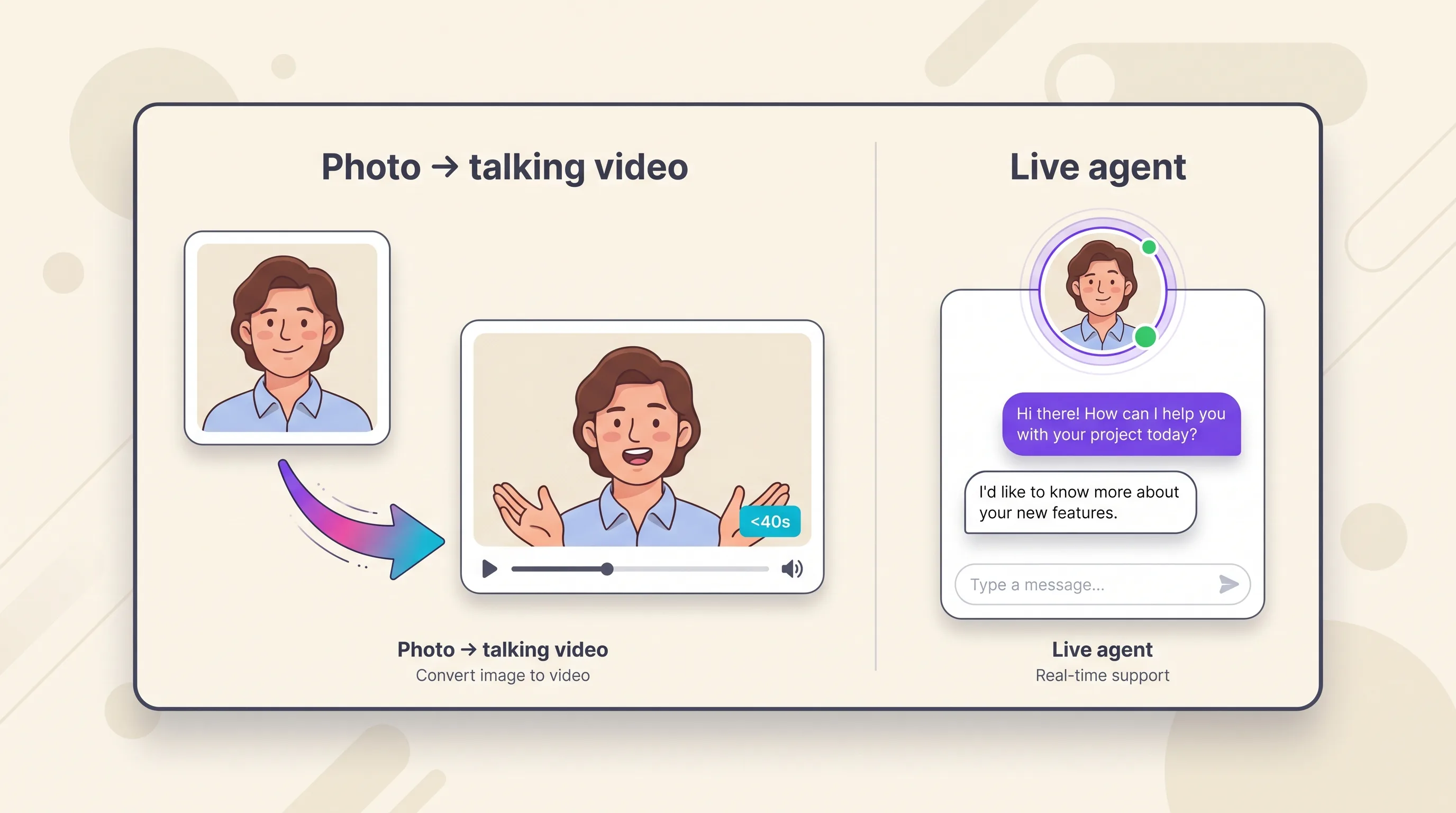
Overview. Upload a photo or pick a presenter, add a script or audio, and get a talking clip almost immediately. The agents product extends the same avatars into live, conversational interfaces for support and sales pages.
Key features. Photo-to-video from any image; roughly 100+ presenters plus your own uploads; around 120 languages via TTS; real-time interactive agents; premium presenter support at 1080p on Pro and up.
Pricing. Lite around $4.70/mo billed annually ($56/yr, 40 credits) and Pro around $16/mo annually (unverified) — D-ID’s pricing page renders empty to non-JavaScript clients, so these figures come from secondary trackers, not the primary source. Treat them as indicative until you see them in checkout. Watermarks apply on Trial and Lite, and credits don’t roll over.
Pros and cons. The fastest photo-to-talking-video loop here, a genuine real-time agents product, and the lowest reported entry price in the roster. Against it: a lower realism ceiling than Avatar IV-class models, expiring credits, watermarked low tiers, and pricing we could not verify to the primary page.
Best for: solo builders who want the cheapest path from a single photo to a talking avatar, or a live conversational agent. If you’re outgrowing it, our D-ID alternatives roundup decodes the watermark ladder and ranks seven replacements.
5. Tavus — best developer API for real-time avatar conversations
Tavus sells avatars as infrastructure: a developer API for photorealistic replicas that hold real-time video conversations. It’s an entirely different buyer than the rest of this list — if you’re shipping avatars inside your own product, this is the lane.
Overview. Train a replica from a short recording, then drive it through APIs — generated video, or live conversational video where the replica listens and responds in real time. Everything is white-labelable and built to embed.
Key features. Replica training included from the entry tier (3 trainings/month — unusually generous next to Synthesia’s $1,000-per-year add-on); 25 free stock replicas; real-time conversational video; 30+ languages; usage-based scaling.
Pricing. Free (25 conversational minutes plus 5 generated minutes/month, no card), Starter $59/mo plus usage (100 conversational minutes, 10 generated minutes, 3 replica trainings), Growth $397/mo (tavus.io/pricing, verified June 11, 2026). Overage runs about $1 per generated minute and $0.37 per conversation minute.
Pros and cons. The strongest developer story in the roster, generous replica policy, and real-time conversation no script-to-video tool matches. Against it: priced for products, not creators — $59 plus usage with a steep $397 cliff — and there’s no editor-style creator workflow.
Best for: product and engineering teams embedding live avatar conversations into their own software.
6. Argil — best for creator-style social videos with body language
Argil is the creator-clone specialist: it builds an avatar of you (or a stock creator) that gestures, moves, and cuts to B-roll like a TikTok native. Where HeyGen reads polished-corporate, Argil aims squarely at the social feed.
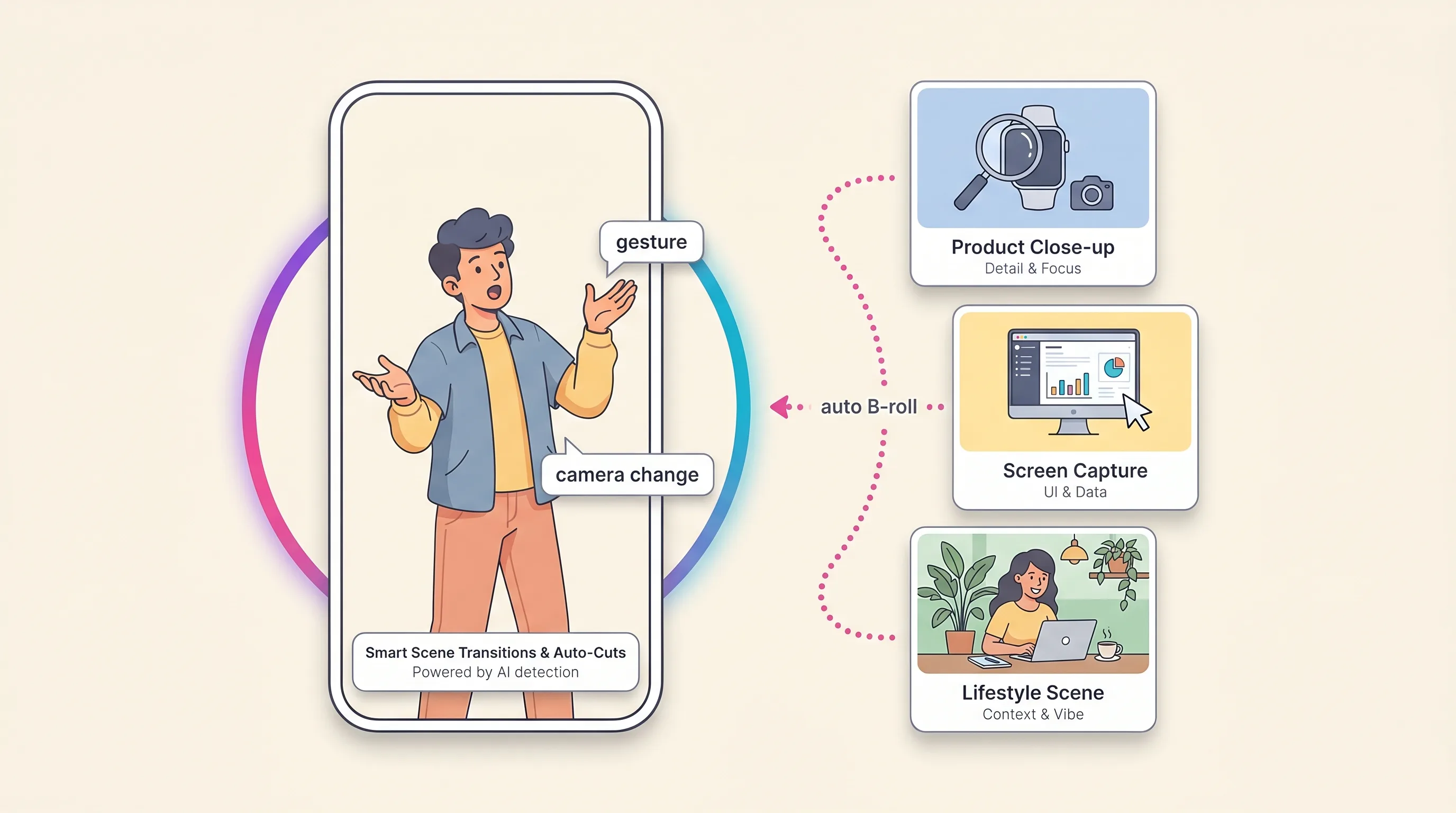
Overview. Clone yourself from about two minutes of footage, write a script, and Argil renders a vertical clip with body language, camera-angle changes, and auto-inserted B-roll. A styles system saves outfit-and-setting variants per clone.
Key features. Gesture and body-language control; automatic B-roll; 100+ stock avatars; 10 avatar styles on Classic and unlimited on Pro; around 30 languages. If your goal is a full synthetic creator persona, our AI influencer walkthrough covers that workflow end to end.
Pricing. Classic $39/mo ($27/mo annual, 1,600 credits ≈ 25 minutes), Pro $149/mo ($104/mo annual, 6,000 credits ≈ 100 minutes), Scale $499/mo with 3 seats, plus a 5-day free trial (argil.ai/pricing, verified June 11, 2026).
Pros and cons. The most social-native delivery here — gestures and B-roll that make clips read like a real creator filmed them. Against it: roughly 25 minutes a month on Classic is thin, the stock library is small, and quality varies more across stock avatars than at the HeyGen tier.
Best for: creators and growth teams making avatar-led TikTok and Reels content that shouldn’t look corporate.
7. Hedra — best for expressive character performance from one image
Hedra makes any image perform. Its Character-3 model takes one still — a person, an illustration, a mascot — and drives it with audio into an emotive, even singing, performance. No other tool here matches its expressive range or its indifference to whether the character is human.
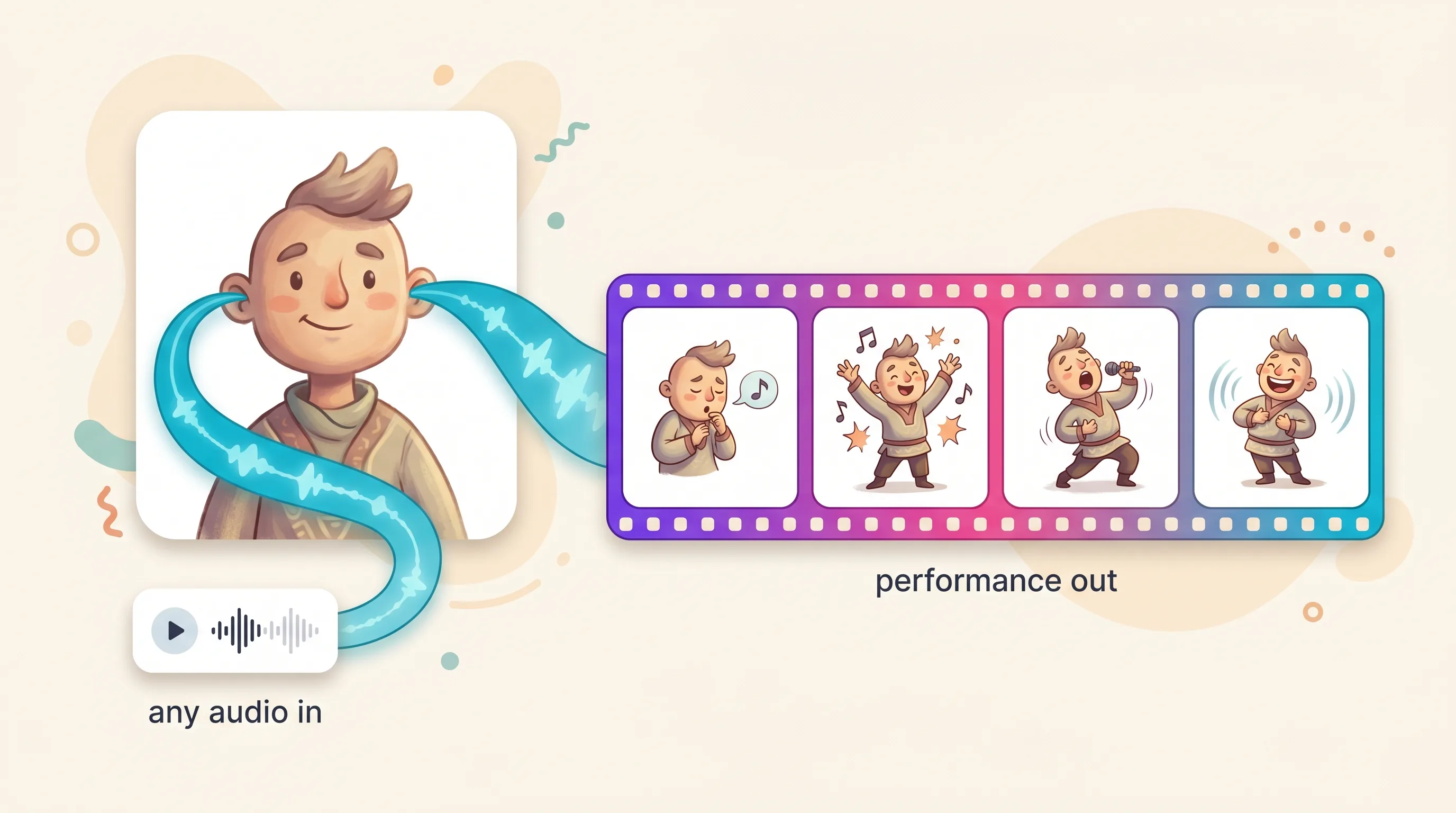
Overview. Upload an image, bring audio (your voice, TTS, or a song), and Hedra animates the character to perform it. Because the input is any image, it covers stylized characters, brand mascots, and non-human performers that talking-head tools can’t touch.
Key features. Character-3 omnimodal performance — emotion, timing, and singing from one still; works in any language your audio speaks; no fixed roster, since every image is a potential performer.
Pricing. Basic $15/mo (1,500 credits), Creator $30/mo (5,400 credits), Professional $75/mo (14,400 credits), with limited watermarked free generations (hedra.com/pricing, verified June 11, 2026). Character-3 burns 6 credits per second, so think in short clips: Basic covers roughly four minutes of performance a month, and credits don’t roll over.
Pros and cons. Unmatched expressive range and the only real answer for non-human or illustrated characters. Against it: per-second credit economics, no rollover, a thin free tier, and no script-to-finished-video workflow — you bring the audio.
Best for: musicians, animators, and brands making short expressive character performances rather than spokesperson videos.
8. Vidnoz — best free tier
Vidnoz is the volume-and-budget play: the largest advertised avatar library in this roster and the most generous everyday free tier. It’s where to start if your budget is zero — with eyes open about quality ceilings and promo-heavy pricing.
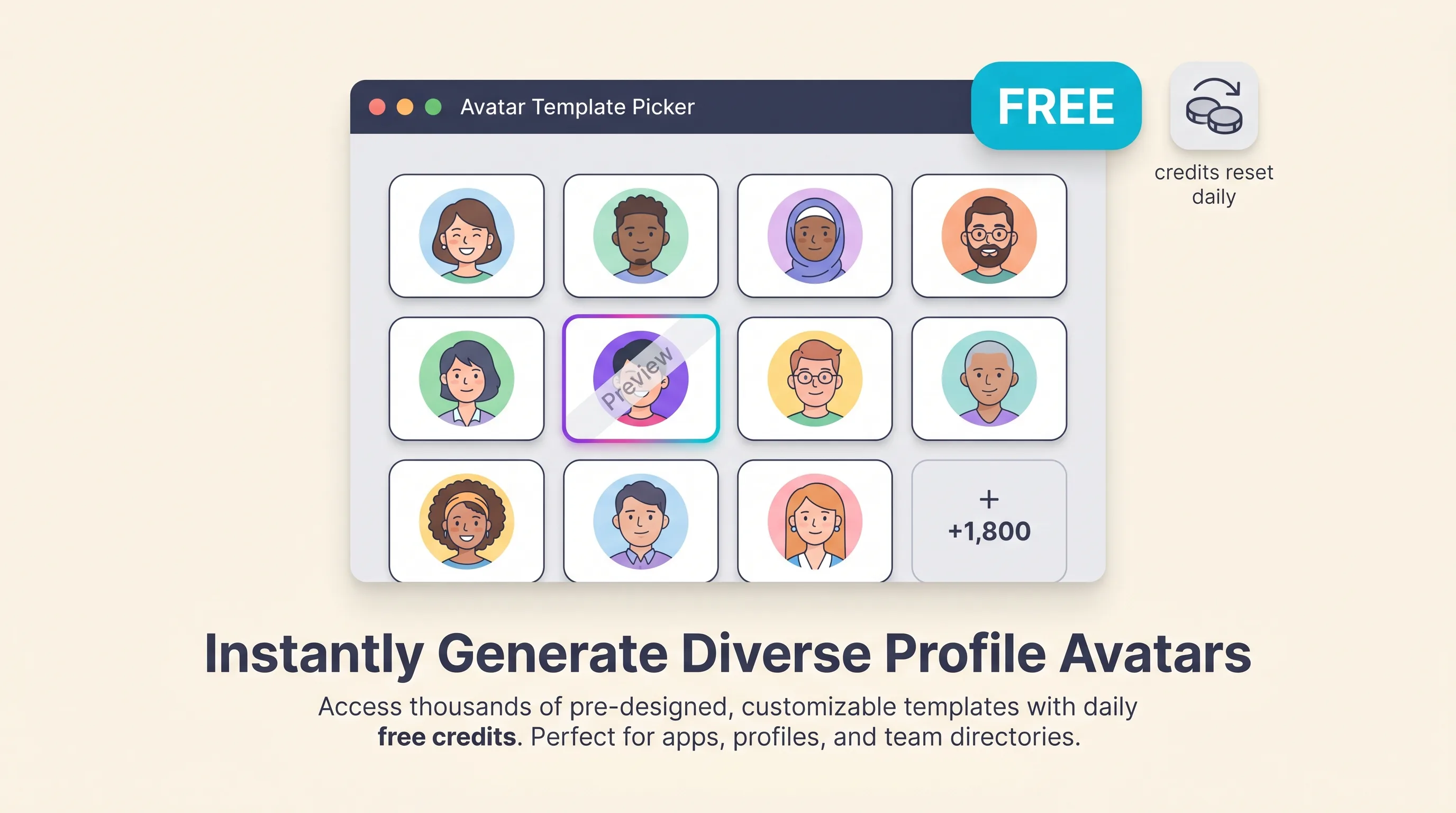
Overview. A template-driven avatar video maker with a daily-refreshing free allowance: pick from a huge gallery, drop in a script, and render watermarked 720p clips of up to three minutes without paying.
Key features. 1,800+ avatars by Vidnoz’s count — the biggest advertised library here; a claimed 140+ languages and 2,660+ voices; free photo avatars; voice cloning and motion avatars on the Business tier; a very large template catalog.
Pricing. Free daily allowance (≤3-minute videos, 720p, watermark), Starter around $26.99/mo (about $19.99/mo annual) and Business around $74.99/mo (unverified) — Vidnoz’s pricing page leads with per-credit promo framing, so the exact dollar figures here are cross-checked from secondary sources, June 11, 2026. Confirm at checkout before budgeting.
Pros and cons. The most usable free tier in the roster and a giant library for quick drafts. Against it: a quality floor below the HeyGen and Synthesia tier, aggressive upsell UX, and paid pricing that’s hard to pin to a primary source.
Best for: beginners and zero-budget teams drafting avatar videos daily before committing to a paid tool.
Also considered (not ranked)
Akool is capable — face swap, streaming avatars — but overlaps HeyGen and D-ID without a distinct win, and its pricing page renders placeholder values; reported plans start around $30/mo (unverified). Captions treats avatars as one feature inside a short-form editor, and Arcads is a UGC-ad tool, not an avatar generator — both are ranked in our AI UGC generators roundup instead. Colossyan, Elai, and DeepBrain compete in Synthesia’s lane; our Synthesia alternatives breakdown covers that field.
How to choose the right AI avatar generator
The right tool follows the job, so match the pick to your primary use case rather than chasing an overall winner.
If you make marketing and spokesperson videos, HeyGen gives the most believable talking-head delivery and the deepest localization. Budget for credit burn: premium avatar minutes consume a $29 plan fast, so model your real monthly minutes before choosing a tier.
If you run enterprise training or L&D, Synthesia is the procurement-safe default — SCORM export, interactive video, and personal avatars even on the free plan. Tavus is the alternative when training needs to become a live, conversational experience inside your own product.
If your avatar is a brand asset that must appear everywhere — site stills, talking-head explainers, UGC ads, product shots — Playcut is the only tool here built for that cross-surface hold. Our AI avatar generator guide explains why faces drift between generations and how saved identities fix it.
If you’re a developer, Tavus is the clear pick: replicas as an API, real-time conversational video, and white-label embedding. Nothing else in the roster is designed to live inside your product.
If budget rules, start free on Vidnoz’s daily allowance, test D-ID’s trial for photo-to-video, or take Hedra’s $15 Basic for expressive short clips. Playcut Hobby at $9 is the cheapest tier that includes a custom avatar.
Whatever you pick, plan to label synthetic media. The EU AI Act requires disclosure of AI-generated content, and every major platform now ships an AI-content label — build it into the workflow from day one.
Our verdict
Start from the job, not the brand. If talking-head realism is everything, HeyGen wins; if you’re shipping training into an LMS, Synthesia; if you’re embedding avatars in software, Tavus; if budget rules, Vidnoz free or Hedra’s $15 entry. The decision criterion, not a single overall score, picks the tool.
Playcut is our overall pick because it wins the job that defines the category: one custom avatar held consistent across stills, talking-head video, UGC reads, and on-product shots, rendered cinema-grade — and the 0.78 mean ArcFace hold is the one measured number on this page. We build it; every other use-case winner is named above.
To see the cross-surface workflow with your own brand, start with the AI avatar generator page or build a reusable cast with AI actors — every paid tier from $9 includes custom avatars.
Frequently asked questions
What is the best AI avatar generator in 2026?
Playcut ranks first: cross-surface consistency is the core job of an avatar generator, and it’s the one axis here with a measured number (0.78 ArcFace). HeyGen brings the biggest stock roster and advertised language count, Synthesia enterprise training, D-ID budget photo-to-video, and Tavus developer APIs.
What’s the difference between this ranking and the AI avatar generator guide?
This page ranks and compares the best AI avatar generator tools so you can pick one. Our AI avatar generator guide is the explainer — what avatars are, how to make one, and why faces drift. Use the guide to learn; use this page to choose.
Which AI avatar generator is the most realistic?
No independent head-to-head realism benchmark exists yet — every number in circulation is vendor self-reported, like HeyGen’s 0.840 face-similarity score on its own 70-case set. Playcut’s Actor Engine renders cinema-grade photoreal performance and is the only tool here publishing a measured consistency score. Treat all realism claims as unproven until a neutral benchmark ships.
What is the best free AI avatar generator?
Vidnoz has the most generous everyday free tier — a daily credit allowance, 1,800+ avatars, and three-minute videos, watermarked at 720p. HeyGen’s free tier allows three one-minute videos a month; Tavus gives developers 25 free conversational minutes. Most free tiers watermark, so check before shipping client work.
How much does an AI avatar generator cost?
Entry tiers run from about $4.70 (D-ID Lite, annual, unverified) to $59 a month (Tavus Starter). The most common entry point is $29 — HeyGen Creator, Synthesia Starter, Playcut Pro. Watch credit burn: premium avatar models can consume a $29 plan in roughly 30 minutes of video.
Can I create a custom avatar of myself?
Yes — policies differ sharply. Synthesia includes three personal avatars even free; HeyGen gives one custom digital twin free; Tavus includes replica training from $59; Argil clones you from about two minutes of footage; Playcut lets you build unlimited custom AI actors from $9. Studio-grade clones cost more — Synthesia’s is a $1,000-per-year add-on.
Is Playcut the best AI avatar generator?
Playcut ranks first for the job that defines the category: one custom avatar — same face, voice, outfit — held across stills, talking-head video, UGC reads, and on-product shots, rendered by a cinema-grade engine. In our ArcFace test one actor held a 0.78 mean face-match across five surfaces. We make Playcut, and every other use-case winner is named in the list.
Do I have to disclose AI avatars in my videos?
Increasingly, yes. The EU AI Act requires labeling synthetic media, and the FTC treats an AI spokesperson’s claims like a human endorser’s. TikTok, Meta, and YouTube all provide AI-content labels. Full breakdown in our AI avatar generator guide’s ethics section.